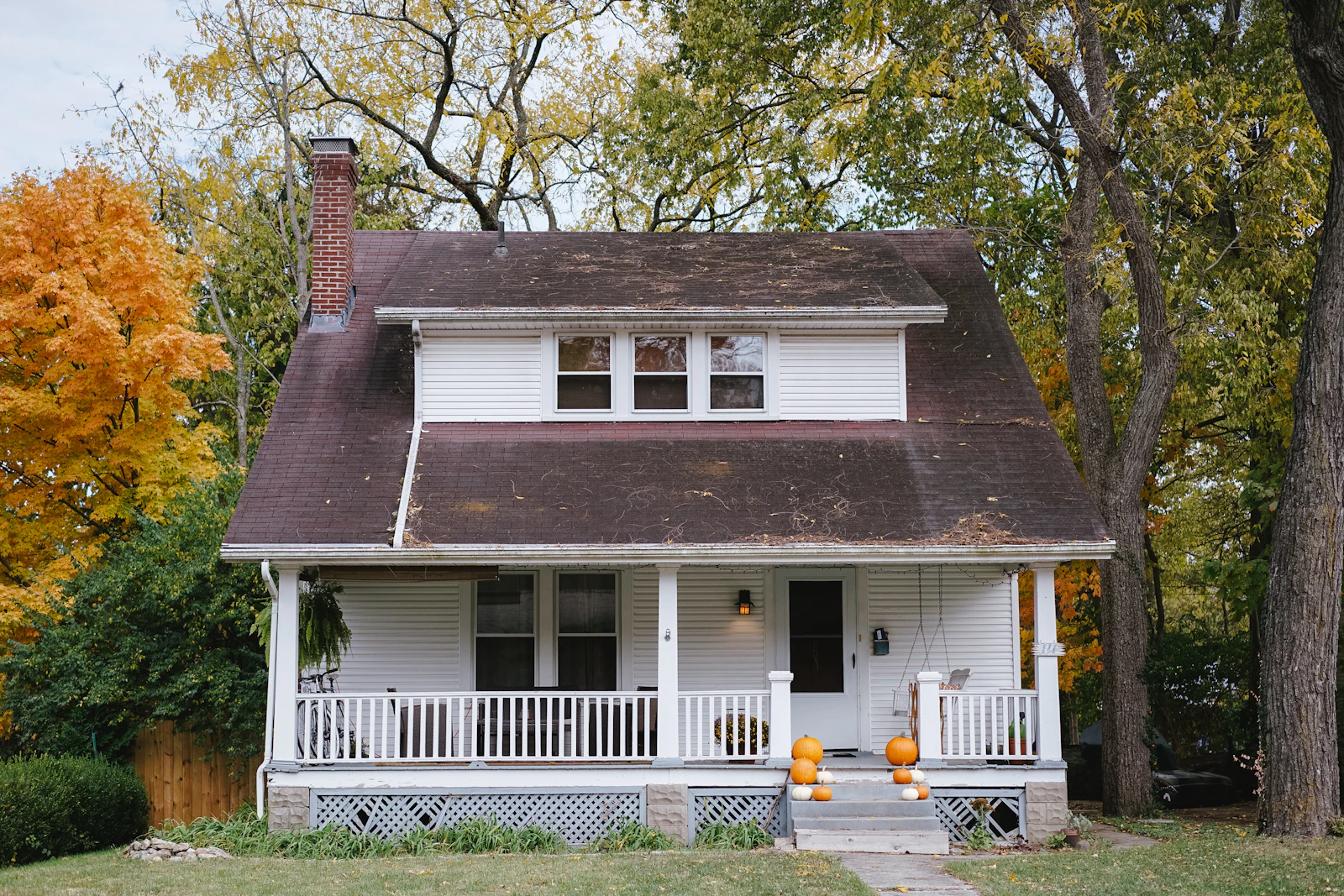
If you own a vacant house in Texas — even if it’s “just for now” — you’re basically managing a ticking checklist: security, utilities, yard maintenance, insurance headaches, and surprise violations that can snowball into liens. Most homeowners don’t realize the vacant house problem isn’t only the condition… it’s the momentum.
Want a quick, no-pressure plan for your vacant property?
If you tell us the address and what shape it’s in, we can point you to the smartest options — including a simple as-is offer.
Watch the vacant house video (quick + simple)
What a vacant house can cost you (even if nothing “bad” happens)
People usually think the big risk is a break-in — and yes, that’s real — but most vacant houses get expensive through boring stuff: utilities, yard, insurance, and small repairs that turn into big repairs because nobody’s living there.
- Insurance problems: many policies change (or get denied) when a home is vacant.
- Yard + exterior maintenance: overgrowth attracts complaints and code enforcement attention.
- Leaks and HVAC issues: “small” becomes “major” when it goes unnoticed for weeks.
- Municipal notices: citations can become fees… and fees can become liens.
- Opportunity cost: every month you wait is another month of carrying costs and stress.
The 5 real options Texas homeowners use for vacant houses
Option 1: Secure it and hold (only if the numbers make sense)
If you’re keeping the property, treat it like an asset you’re protecting: lock it down, keep utilities safe, address roof/plumbing risks, and maintain the yard so you don’t invite attention.
Option 2: List with an agent (best price, slower + more steps)
If the home is retail-ready (or close), listing can get top dollar — but you’re signing up for showings, inspections, buyer financing timelines, and possible repair requests. If the home needs heavy work, listing can turn into a grind.
Option 3: Sell as-is (fastest path when condition/time is the issue)
As-is is the “no projects” route: no repairs, no cleaning marathon, fewer moving parts. For many vacant houses, this is the most realistic option because it stops the monthly bleed and reduces the “what if something happens” risk.
Skip the repairs and timelines?
If your house is vacant, needs work, or you just want it off your plate, an as-is offer can make sense.
Option 4: Rent it (only if it’s rent-ready + you want a landlord job)
Renting can work if the property is safe, rentable, and you actually want the responsibilities (tenants, repairs, time). If the house is in rough shape, you’ll likely need rehab money — and that’s where many plans stall.
Option 5: A “bigger situation” strategy (inherited, title issues, or financial pressure)
Sometimes the vacant house isn’t just a property — it’s tied to an inherited situation, multiple owners, or financial pressure. If that’s you, it helps to look at the bigger puzzle, not just the house.
For example, if this vacant property came from a family situation, you’ll want to read inherited house options in Houston because the best move often depends on heirs, timelines, and whether the home needs repairs.
The “vacant house decision” in 60 seconds
If you’re stuck, here’s a simple way to make the decision without overthinking it:
- How fast do you need this solved? If time matters, simplify the path.
- How bad is the condition? If it needs work, the “retail plan” may not be realistic.
- Can you fund repairs and hold time? If not, pick a route that doesn’t require it.
- Is there a larger issue behind it? Inherited, title, or financial pressure changes the best move.
Want the simplest next step?
Send the address + a couple photos (if you have them). We’ll tell you what options make sense and what an as-is offer might look like.
FAQ
Do I need to clean out the house before selling?
Not always. It depends on the strategy. Many as-is solutions are designed for “no projects,” including cleanup.
Can code violations or city notices affect selling?
They can. The sooner you deal with them (or choose a path that accounts for them), the better.
Is it better to rent or sell a vacant house?
If it’s rent-ready and you want ongoing responsibility, renting can work. If you want simplicity or the home needs work, selling as-is is often the cleaner path.
Need help choosing the best option?
No pressure. If you share your timeline and the property condition, we’ll tell you what paths actually make sense for a vacant Texas property.
Get a Cash Offer Call Text